UI engineering & alignment
React and TypeScript components and flows built for reuse, with tests in CI. Often the same person who refines UI behavior, acceptance criteria, and alignment with backend contracts.

Full-stack engineer · System analyst
About four years with vendors and end clients: building TypeScript/React and Java/Spring products, and working as a system analyst—requirements and process modeling, data and API clarity, backlog and acceptance criteria, and shipping features without losing the thread between business intent and code.
Full-stack implementation together with system analyst work: clarifying what to build, how data and APIs should behave, and how to verify it in production. The cards below split that into themes for a quick scan.
React and TypeScript components and flows built for reuse, with tests in CI. Often the same person who refines UI behavior, acceptance criteria, and alignment with backend contracts.
Java and Spring services, REST and SOAP, mapping from complex enterprise schemas. Code and structure stay readable for the next developer—or analyst continuing the story.
Workshops and requirements, BPMN/UML when they help, backlog quality, then implementation, review, and production support—so “what we agreed” stays connected to what ships.
Tools and practices I have used in both engineering and system analyst roles: implementation stacks alongside analysis, data, integrations, and analytics
 React
React
 TypeScript
 Next.js
 Tailwind
 MUI
PrimeReact
MUI
PrimeReact
 Redux
Redux
 TanStack Query
 Zod
Zod
 Yup
Yup
 Jest
Jest
 Testing Library
 Cypress
 Playwright
 Vue
Vue
 Vuetify
Vuex
React
TypeScript
Next.js
Tailwind
MUI
PrimeReact
Redux
TanStack Query
Zod
Yup
Jest
Testing Library
Cypress
Playwright
Vue
Vuetify
Vuex
Vuetify
Vuex
React
TypeScript
Next.js
Tailwind
MUI
PrimeReact
Redux
TanStack Query
Zod
Yup
Jest
Testing Library
Cypress
Playwright
Vue
Vuetify
Vuex
 Java
Java
 Spring Boot
Spring Security
Spring Boot
Spring Security
 Hibernate
JPA
Hibernate
JPA
 SOAP
SOAP
 PostgreSQL
 Flyway
 Liquibase
 JUnit
JUnit
 Mockito
 Node.js
 Express
 Knex
Knex
 MongoDB
 Kafka
Kafka
 Microservices
 Distributed systems
Java
Spring Boot
Spring Security
Hibernate
JPA
SOAP
PostgreSQL
Flyway
Liquibase
JUnit
Mockito
Node.js
Express
Knex
MongoDB
Kafka
Microservices
Distributed systems
Distributed systems
Java
Spring Boot
Spring Security
Hibernate
JPA
SOAP
PostgreSQL
Flyway
Liquibase
JUnit
Mockito
Node.js
Express
Knex
MongoDB
Kafka
Microservices
Distributed systems
 AWS
AWS
 Docker
 Git
Git
 GitHub Actions
 AWS CDK
 CloudFormation
 CI/CD
CI/CD
 CloudWatch
 Datadog
 OpenSearch
AWS
Docker
Git
GitHub Actions
AWS CDK
CloudFormation
CI/CD
CloudWatch
Datadog
OpenSearch
OpenSearch
AWS
Docker
Git
GitHub Actions
AWS CDK
CloudFormation
CI/CD
CloudWatch
Datadog
OpenSearch
 Jira
Jira
 Figma
Figma
 Miro
Miro
 LaunchDarkly
 SonarCloud
 WebStorm
 VS Code
 IntelliJ
 Confluence
 Draw.io
 Lucidchart
 Obsidian
 Excel
Excel
 Azure DevOps
 MS Teams
 Zoom
Zoom
 Skype
Skype
 Google Docs
 Sparx EA
Jira
Figma
Miro
LaunchDarkly
SonarCloud
WebStorm
VS Code
IntelliJ
Confluence
Draw.io
Lucidchart
Obsidian
Excel
Azure DevOps
MS Teams
Zoom
Skype
Google Docs
Sparx EA
Sparx EA
Jira
Figma
Miro
LaunchDarkly
SonarCloud
WebStorm
VS Code
IntelliJ
Confluence
Draw.io
Lucidchart
Obsidian
Excel
Azure DevOps
MS Teams
Zoom
Skype
Google Docs
Sparx EA
 Requirements elicitation
 Business analysis
System analysis
Business analysis
System analysis
 Process modeling
 BPMN
UML
BPMN
UML
 Gap analysis
 Acceptance criteria
 Backlog management
 Scrum
Scrum
 Kanban
 Agile
Stakeholder management
Requirements elicitation
Business analysis
System analysis
Process modeling
BPMN
UML
Gap analysis
Acceptance criteria
Backlog management
Scrum
Kanban
Agile
Stakeholder management
Agile
Stakeholder management
Requirements elicitation
Business analysis
System analysis
Process modeling
BPMN
UML
Gap analysis
Acceptance criteria
Backlog management
Scrum
Kanban
Agile
Stakeholder management
 SQL
Data analysis
SQL
Data analysis
 Data mapping
 Data validation
 KPI & metrics
 Data flow
 Data lineage
 JSON
JSON
 XML
SQL
Data analysis
Data mapping
Data validation
KPI & metrics
Data flow
Data lineage
JSON
XML
XML
SQL
Data analysis
Data mapping
Data validation
KPI & metrics
Data flow
Data lineage
JSON
XML
 REST
REST
 GraphQL
 API analysis
 OpenAPI · Swagger
 Postman
 Event-driven architecture
REST
GraphQL
API analysis
OpenAPI · Swagger
Postman
Event-driven architecture
Google Analytics 4
Event-driven architecture
REST
GraphQL
API analysis
OpenAPI · Swagger
Postman
Event-driven architecture
Google Analytics 4
 Grafana
 Amplitude
Google Analytics 4
Grafana
Amplitude
Amplitude
Google Analytics 4
Grafana
Amplitude
Outside client work I like to turn my own product ideas into something real—small apps and experiences where I own the concept, UX, and implementation end to end. It keeps experimentation honest and reminds me what shipping from a blank page feels like.

macOS companion for technical interview prep powered by Claude Code—undetectable on screen share, focused on algorithms and live coding. Public landing, download flow, and product narrative.
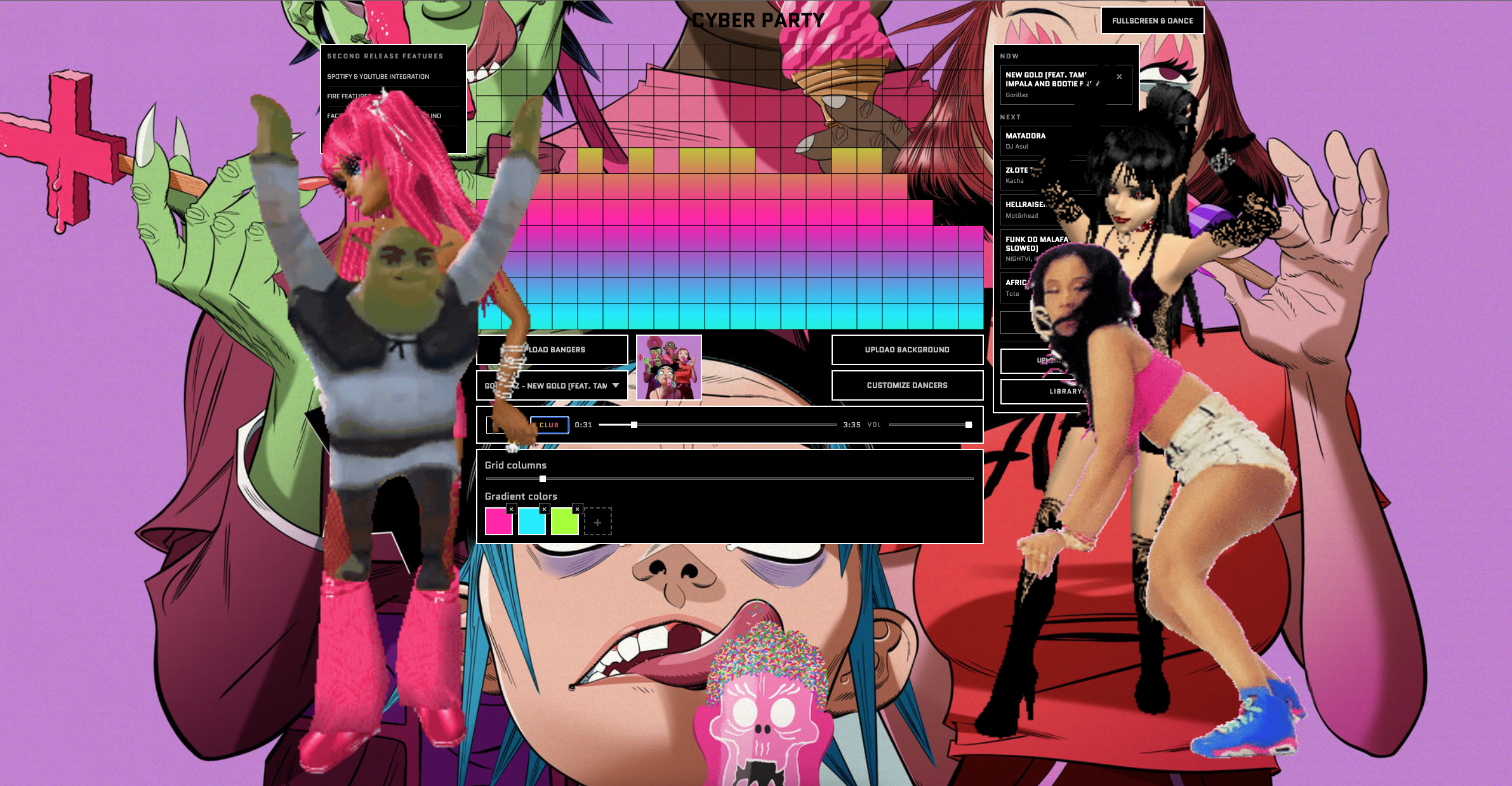
Fullscreen browser club experience: сustomizable dancers, visual effects, and retro DJ-style playback—built as a playful second-screen party experiment.

iPad-oriented product UI explored in Figma; click the card to download the exported result frame as a PNG.
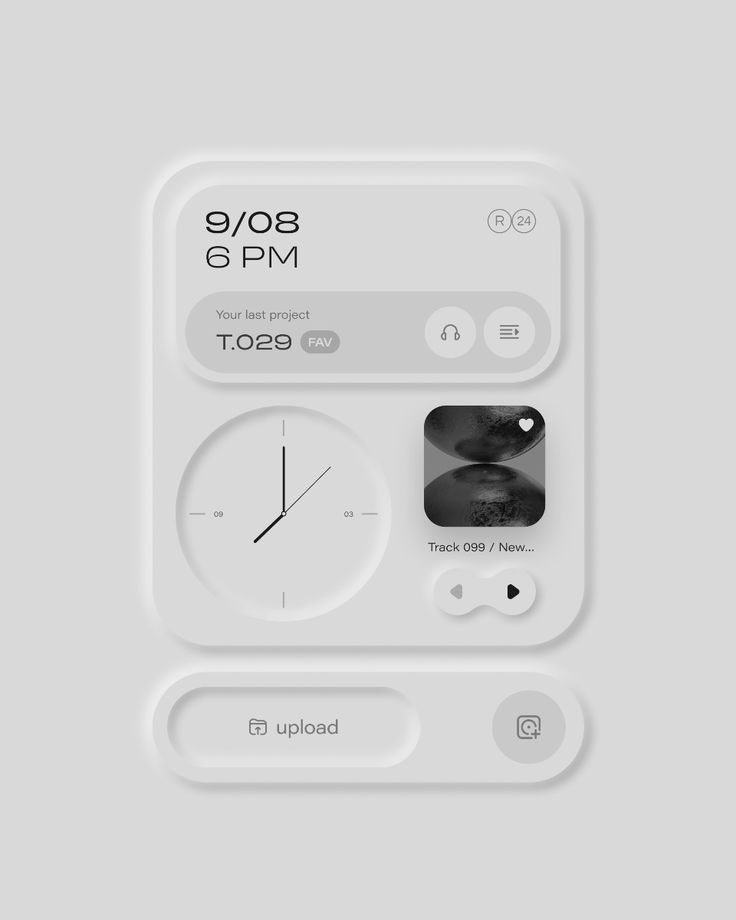
Component library with a soft neomorphism look, shipped as @clear/ui and documented in Storybook—live controls, variants, and a deploy you can browse without cloning.
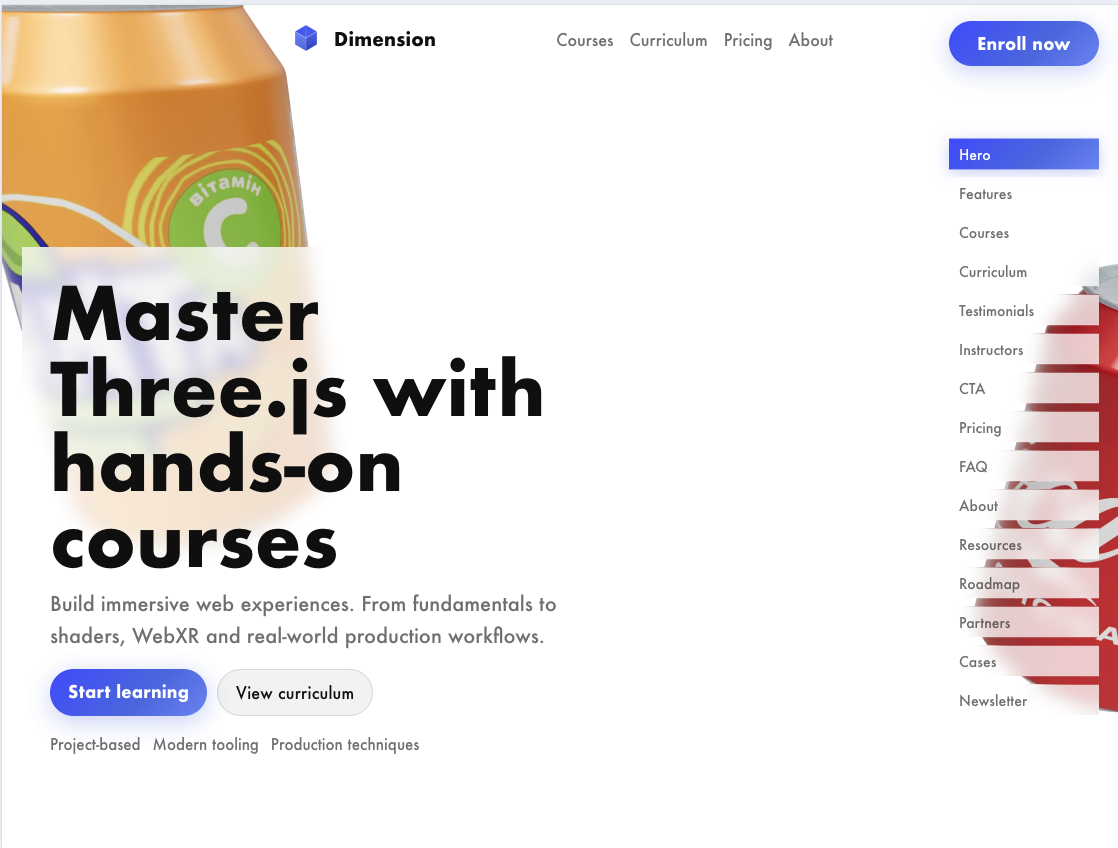
Product-style landing built around the browser graphics stack: HTML Canvas for layered drawing and Three.js for depth, lighting, and motion in the scene.
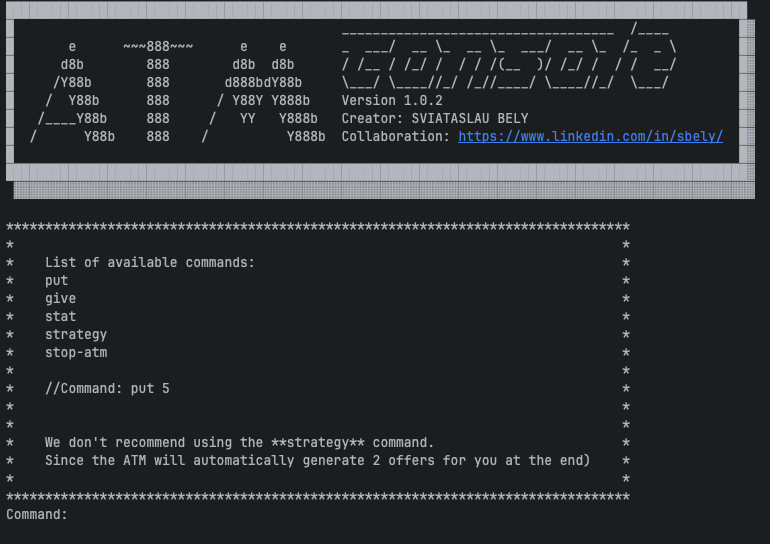
Terminal-style ATM flow in Java: Maven build, Hibernate on PostgreSQL, Dockerized database, and JUnit 5 tests. Run with make run or from the IDE once Postgres is up.
How engineering and system analysis show up against the stack bands above
React and TypeScript, Next.js and microfrontends where required, Tailwind, MUI, PrimeReact, Redux, TanStack Query, Zod, Yup. Testing with Jest, React Testing Library, Cypress, Playwright—paired with UI-side specs and acceptance thinking when the role spans analysis.
Java (including 21), Spring Boot, Spring Security, Hibernate, JPA, REST and SOAP, GraphQL where applicable, XML and JSON mapping, PostgreSQL on RDS, Flyway, Liquibase, JUnit, Mockito. Microservices and distributed systems when the architecture calls for them, including tracing how data moves through services.
AWS: S3, ECS, ECR, RDS, CloudFormation, CDK, CloudWatch. Docker, Kafka, CI/CD, Git. Datadog, OpenSearch/Elasticsearch, and related observability when the environment uses them.
Core system analyst practice: requirements elicitation, business and system analysis, process modeling, BPMN, UML, gap analysis, acceptance criteria, backlog management, Agile (Scrum/Kanban), stakeholder management.
Analyst-style data work: SQL, analysis, mapping, validation, KPI and metrics definition, data flow and lineage, JSON/XML. REST, GraphQL, API analysis, Swagger/OpenAPI, Postman, event-driven architecture. Product and ops insight: Google Analytics (GA4), Grafana, Amplitude, AWS OpenSearch/Elasticsearch, CloudWatch, Datadog.
Sparx Enterprise Architect, Draw.io, Lucidchart, Obsidian, Figma, Miro. MS Teams, Skype, Zoom, Google Docs. Jira, Confluence, Excel, Azure DevOps alongside the usual IDE and quality tooling.
Node.js, Express, Knex, MongoDB when the stack calls for it. Vue 2/3, Vuex, Vuetify. WebStorm, VS Code, IntelliJ, LaunchDarkly, SonarCloud—plus anything already listed when a project tilts more toward pure delivery or a narrower analysis scope.
If you are looking for someone who both ships full-stack software and keeps requirements, models, and APIs coherent, email a short description of the role or project